Exploring eco-friendly solutions that blend functionality, aesthetics, and environmental responsibility
When we talk about sustainable building design, conversations often gravitate toward solar panels, energy-efficient windows, or recycled flooring. But what about the space above our heads? Ceilings are more than just a fifth wall—they're a critical component of a building's environmental footprint, affecting everything from energy consumption to indoor air quality. As a leading ceilings supplier, we've witnessed a growing demand for ceiling solutions that don't just serve a functional purpose but also align with the global push toward greener, more responsible construction. In this article, we'll dive into the world of sustainable ceiling materials, exploring options that prioritize the planet without compromising on style, durability, or performance.
Think about it: the average commercial building's ceiling accounts for roughly 20% of its visible interior surface area. That's a lot of material. If those materials are sourced from non-renewable resources, treated with toxic chemicals, or difficult to recycle, their environmental impact adds up quickly. On the flip side, choosing sustainable ceiling materials can reduce a building's carbon footprint, improve occupant health, and even lower long-term maintenance costs. For homeowners, architects, and contractors alike, this shift isn't just about "going green"—it's about creating spaces that are healthier, more efficient, and better equipped to stand the test of time.
Before we jump into specific materials, let's clarify what "sustainable" really means in the context of ceiling solutions. At its core, a sustainable ceiling material should check three boxes: it should be sourced responsibly, manufactured with minimal environmental impact, and either recyclable, biodegradable, or designed for long-term durability. For example, materials derived from renewable resources (like bamboo or fast-growing grasses) score high in sourcing. Those produced using low-energy processes or recycled content excel in manufacturing. And options that resist wear and tear, reducing the need for frequent replacement, win points for longevity.
As a ceilings supplier committed to eco-friendly practices, we also prioritize materials that contribute to better indoor environmental quality (IEQ). That means avoiding volatile organic compounds (VOCs), formaldehyde, and other harmful chemicals often found in traditional ceiling products. After all, a sustainable ceiling shouldn't just be good for the planet—it should be good for the people who live and work under it. With that in mind, let's explore some of the most promising sustainable ceiling materials on the market today.
Bamboo has long been celebrated as a sustainable alternative to hardwood, thanks to its rapid growth (some species mature in just 3–5 years) and minimal need for pesticides or water. But when combined with charcoal, it becomes something even more remarkable: bamboo charcoal board. As a bamboo charcoal board wall panel supplier, we've seen this material gain traction not just for walls but also for ceilings, and it's easy to see why. Bamboo charcoal is created by heating bamboo at high temperatures in a low-oxygen environment, a process that activates its porous structure. This porosity gives the material natural odor-absorbing properties, making it ideal for spaces like kitchens, bathrooms, or offices where air quality is a priority.
Beyond its air-purifying benefits, bamboo charcoal board is inherently moisture-resistant, which helps prevent mold growth—a common issue in humid climates. It's also lightweight, making installation easier and reducing the structural load on buildings. For designers, the material offers a warm, natural aesthetic with subtle grain patterns that add texture without overwhelming a space. Whether used in a residential living room or a commercial lobby, bamboo charcoal board ceiling solutions bring a touch of nature indoors while keeping sustainability front and center.
When it comes to public buildings like hospitals, schools, or airports, safety is non-negotiable. That's where class A fireproof CPL inorganic board comes in. As a supplier specializing in class a fireproof cpl inorganic board for hospital and school solutions, we understand that these spaces demand materials that can withstand high temperatures, resist moisture, and maintain their integrity in critical situations. But what makes this material sustainable? Unlike traditional fire-retardant boards, which often rely on chemical treatments that can off-gas harmful VOCs, CPL (Continuous Pressure Laminate) inorganic boards are made from mineral-based compounds like magnesium oxide and calcium silicate—natural, abundant resources that require minimal processing.
Class A fireproof rating means these boards can withstand temperatures up to 1,200°C without igniting or releasing toxic fumes, making them a lifesaver in emergency scenarios. But their benefits don't stop there. They're also highly durable, resistant to scratches and impact, and easy to clean—qualities that reduce the need for frequent replacements. In schools, where high traffic and constant wear are the norm, this longevity translates to less waste over time. For hospitals, the material's non-porous surface prevents the growth of bacteria, supporting infection control efforts. When you choose class A fireproof CPL inorganic board for your ceiling, you're not just investing in safety—you're investing in a material that's built to last, reducing your project's overall environmental impact.
For spaces that lean into an industrial or modern aesthetic, recycled metal ceilings offer a sleek, sustainable option. Made from post-consumer or post-industrial metal waste (think old aluminum cans, steel beams, or discarded roofing materials), these ceilings divert tons of metal from landfills each year. As a ceilings supplier, we appreciate that metal is one of the most recyclable materials on the planet—nearly 95% of aluminum can be recycled repeatedly without losing quality, and steel recycling saves up to 74% of the energy required to produce new steel. That's a significant reduction in carbon emissions.
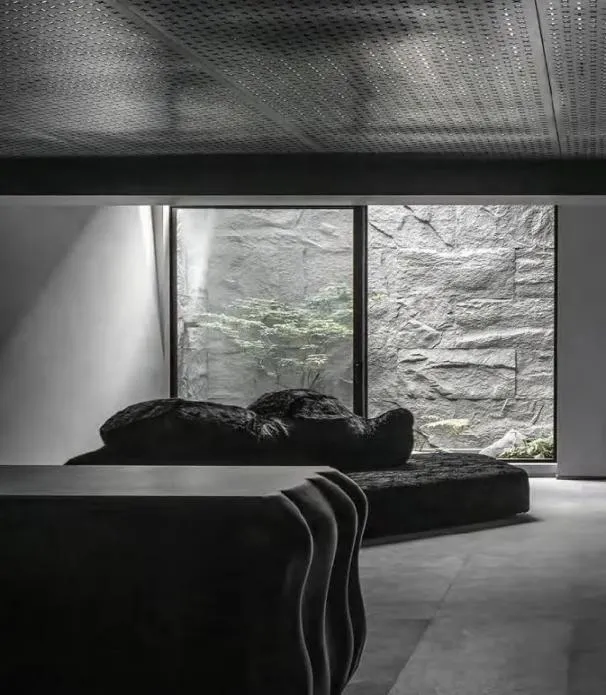
Recycled metal ceilings come in a variety of finishes, from matte black to brushed silver, and can be perforated for acoustic control—a key feature in busy spaces like offices or restaurants. They're also highly reflective, which can help maximize natural light, reducing the need for artificial lighting during the day. And because metal is inherently fire-resistant, these ceilings often meet or exceed safety standards without additional chemical treatments. For designers looking to make a bold statement while staying eco-conscious, recycled metal ceiling solutions offer the perfect blend of form and function.
If you're craving a softer, more organic look, natural fiber ceilings might be the answer. Materials like hemp, jute, flax, or sisal are woven or pressed into panels that add warmth and texture to a space. These fibers are renewable, biodegradable, and require far less water and pesticides to grow compared to traditional crops like cotton. For example, hemp grows in poor soil without the need for herbicides, and its deep roots help prevent soil erosion—a win for both farmers and the environment. As a ceilings supplier, we've seen these materials rise in popularity for residential projects, yoga studios, and boutique hotels, where creating a calm, earthy atmosphere is key.
Natural fiber ceilings also excel in acoustics, absorbing sound waves to reduce echo and noise pollution. This makes them ideal for open-concept homes or small offices where privacy is a concern. It's worth noting that some natural fiber panels are treated with fire-retardant coatings, so be sure to ask your supplier about eco-friendly treatment options if safety is a priority. When properly maintained, these ceilings can last 10–15 years, and at the end of their lifespan, they biodegrade, leaving behind minimal waste. For those who want to bring a piece of the outdoors in, natural fiber ceiling solutions offer a tactile, sustainable choice.
| Material Type | Key Sustainability Features | Best For | Durability (Average Lifespan) | Installation Considerations |
|---|---|---|---|---|
| Bamboo Charcoal Board | Renewable bamboo source, natural odor absorption, moisture-resistant | Residential, offices, kitchens | 15–20 years | Lightweight; requires minimal structural support |
| Class A Fireproof CPL Inorganic Board | Mineral-based, low-VOC, highly durable (reduces replacement waste) | Hospitals, schools, airports | 25–30 years | Fire-rated fasteners recommended; professional installation advised |
| Recycled Metal | Made from 95% recycled content, 100% recyclable, energy-efficient production | Industrial spaces, commercial lobbies | 30+ years | Reflective surface may require planning for light distribution |
| Natural Fiber (Hemp/Jute) | Biodegradable, low-water cultivation, supports soil health | Yoga studios, bedrooms, boutique hotels | 10–15 years | Avoid high-moisture areas; may require fire-retardant treatment |
Choosing the right material is just the first step. To truly embrace sustainability, it's essential to partner with a ceilings supplier that prioritizes eco-friendly practices throughout the entire supply chain. At our company, we believe sustainability isn't just about the products we sell—it's about how we source, manufacture, and deliver them. For example, as a bamboo charcoal board wall panel supplier, we work directly with bamboo farmers in regions where cultivation is done responsibly, ensuring that for every bamboo plant harvested, two more are planted in its place. This commitment to reforestation helps maintain biodiversity and supports local communities.
Manufacturing processes also play a role. We've invested in energy-efficient production facilities that run on solar power, and we've implemented waste-reduction programs that recycle over 90% of our manufacturing byproducts. Even our packaging is designed with the planet in mind—we use recycled cardboard and biodegradable packing peanuts instead of plastic bubble wrap. For larger projects, we optimize delivery routes to reduce fuel consumption, and we offer take-back programs for old ceiling panels, ensuring they're recycled or repurposed rather than ending up in landfills. These efforts might seem small, but when multiplied across hundreds of projects, they add up to a significant reduction in our overall environmental impact.
When Greenfield Elementary School set out to renovate its aging facility, sustainability was a top priority. The school serves over 500 students, and administrators wanted to create a healthier learning environment while reducing the school's carbon footprint. They approached us as a class a fireproof cpl inorganic board for hospital and school supplier, seeking ceiling solutions that would meet strict safety codes, improve acoustics, and align with their green goals.
After assessing the space, we recommended our Class A fireproof CPL inorganic board for classrooms and corridors, paired with bamboo charcoal board ceiling solutions for the school's library and cafeteria. The CPL boards were chosen for their fire resistance and durability—critical in a busy school setting—while the bamboo charcoal boards were selected for their air-purifying properties, helping to reduce odors in high-traffic areas like the cafeteria. We also worked with the school to implement a reflective ceiling design in the gymnasium, using recycled metal panels to maximize natural light and reduce the need for artificial lighting during daytime hours.
The results were impressive: within six months of installation, the school reported a 15% reduction in energy costs due to improved light reflection and better insulation. Teachers noted that classroom noise levels had decreased, thanks to the sound-absorbing properties of the CPL boards, leading to more focused learning environments. Parents appreciated the use of non-toxic materials, which aligned with the school's commitment to student health. Today, Greenfield Elementary serves as a model for sustainable school design in the region, proving that ceiling solutions can be both eco-friendly and transformative.
Ready to make the switch to sustainable ceilings? Before you commit, here are a few key questions to ask your ceilings supplier:
As the demand for sustainable building materials grows, so too does innovation in the ceiling industry. We're already seeing exciting developments, like ceiling panels embedded with photovoltaic cells that generate electricity, or panels made from mycelium (mushroom roots)—a biodegradable material that can be grown in labs using agricultural waste. As a ceilings supplier, we're committed to staying at the forefront of these advancements, testing new materials and technologies to offer our clients the most sustainable solutions possible.
But perhaps the most promising trend is the shift toward circular design—an approach that views materials as part of a closed loop, where waste from one product becomes a resource for another. For example, our take-back program for old ceiling panels is just the beginning; we're exploring ways to grind down discarded bamboo charcoal boards into a powder that can be used as a natural fertilizer, closing the loop on the material's lifecycle. This kind of innovation not only reduces waste but also creates new opportunities for collaboration between suppliers, manufacturers, and communities.
Sustainable ceiling materials are more than a trend—they're a necessary step toward a more environmentally responsible built environment. From bamboo charcoal board to fireproof inorganic board, these materials prove that we don't have to choose between functionality, aesthetics, and sustainability. As a ceilings supplier, we're proud to be part of this movement, offering ceiling solutions that help our clients build spaces they can feel good about—spaces that protect the planet, support human health, and inspire future generations.
So the next time you look up at a ceiling, take a moment to consider what it's made of. Is it contributing to a greener world, or is it part of the problem? With the right materials and the right supplier, your ceiling can be a powerful tool for change. Let's keep looking up—toward a future where every part of our built environment works in harmony with the planet.
Recommend Products